
Stop the Leak!
Why Seamless Mobile Design is Your New Bottom Line.
It is 1:15 PM on a Tuesday, and I am currently staring at a digital dashboard that is essentially laughing at me.
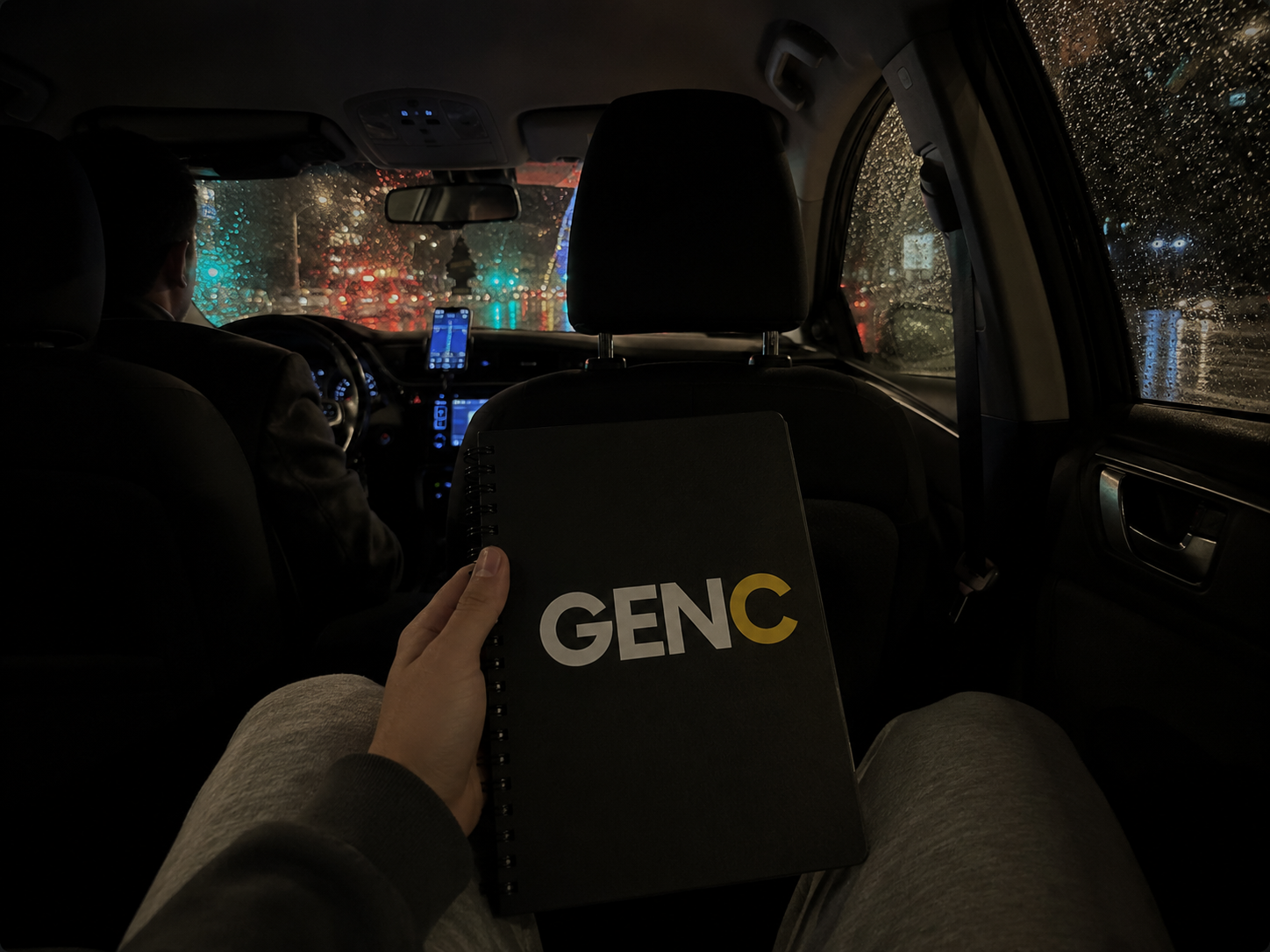
I’m sitting in the back of an Uber, the kind that smells faintly of vanilla air freshener and regret, trying to figure out why my latest campaign is a ghost town. The traffic is there. The clicks are promising—clean, steady upward lines that suggest people are actually interested in what I have to say.
But my inbox? Silence. Not a single booking. Not even a "stop emailing me" notification.
For a long time, I operated under a very specific, very stubborn set of beliefs. I was convinced that conversion was a math problem. If I just bought better ads, found better targeting, and shoved more traffic into the top of the funnel, the bottom would eventually overflow. I thought if people clicked, they would convert.
Simple, right?
Maybe I was just arrogant. Maybe I spent too much time looking at my work on a 27-inch 5K monitor, convinced that everyone else was experiencing my "brilliance" in high definition. I grew up in the era of the desktop—the "real" internet where you sat in a chair and used a mouse. To me, mobile was for scrolling through pictures of other people’s lunches, not for making serious decisions.
Then, the Uber hit a pothole, and I decided to actually use my own website on my phone.
Suddenly, the "Aha!" moment didn't arrive as a soft lightbulb—it arrived as a faceplant. I tried to click my own "Book Now" button. My thumb—which I’ve recently realized is apparently the size of a large carrot—couldn't find the target. A pop-up appeared, but the "X" to close it was hiding somewhere off-screen.
I was stuck. I was frustrated. And in that moment, I realized:
If your website doesn’t work seamlessly on mobile, your conversion is already leaking.
- Was I losing leads because my copy was bad?
- Was the offer not compelling enough?
- Was I simply shouting into a void that didn't care?
Maybe. But more likely, I was just making it impossible for people to give me their money.
We love to talk about "substance" in marketing. We spend hours debating the nuances of a headline or the "packaging" of our ideas. But we often forget that the package has to actually open. If a high-value client walks into your digital lobby and finds a "locked door" because they’re using a smartphone, they aren't going to wait around for you to find the key.
They’re going to bounce.
I look back at my old self—the one who thought mobile-first design was just a "nice to have" for tech startups—and I have to laugh. It’s like being so focused on the engine of your car that you forget the door handles are welded shut. You can have the best substance in the world, but if the delivery mechanism is broken, you’re just a very articulate person talking to an empty room.
It’s a hard pill to swallow: the idea that your "brilliance" is being defeated by a misplaced button or a "wall of text" that looks like a legal manifesto on a five-inch screen.
If your website doesn’t work seamlessly on mobile, your conversion is already leaking.
It’s not just a technical glitch; it’s a silent "conversion killer". Every time a user has to pinch-to-zoom just to read your "About Us" section, a little bit of their trust drains away. They start to wonder: If they can't handle a responsive website in 2026, can they really handle my high-stakes problem?.
Designing For Thirty Seconds Of Patience
It feels personal because it is. We put our hearts into our work. But we have to realize that our audience is no longer sitting at desks. They are in Ubers. They are in line for coffee. They are scrolling while they’re "holding the handle on a bus".
Maybe we need to stop designing for ourselves and start designing for the person who has exactly thirty seconds of patience.
Maybe the leak isn't in our strategy, but in our accessibility.
I’m looking at my phone now, watching the cursor blink on my mobile-broken site. I’m starting to see that if your website doesn’t work seamlessly on mobile, your conversion is already leaking—and it has been for a long time.
So, I have to ask myself, and maybe I’m asking you, too: Are we actually building bridges to our clients, or are we just standing on the other side of a digital moat, wondering why no one is swimming across?